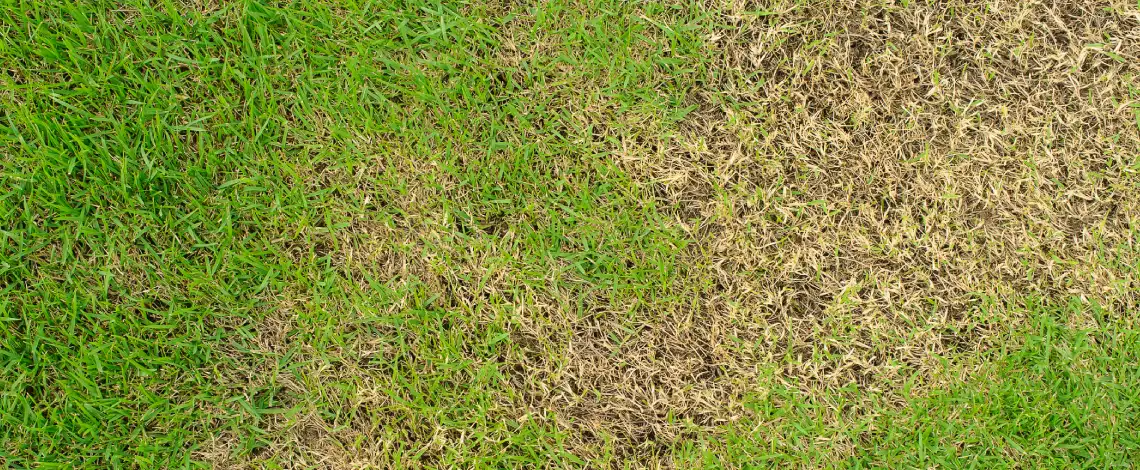
If you are asking, “why is my lawn dying in Fort Myers, Florida?” The answer is usually tied to heat, humidity, sandy soil, pests, weeds, or watering problems. Fort Myers lawns deal with intense sun, year-round warmth, heavy summer rain, and fast-spreading lawn issues that can turn healthy grass brown quickly. Brown patches in lawn areas in Florida often come from pests, fungus, irrigation stress, or weak roots, and each problem needs the right fix.
Why Lawns Struggle in Fort Myers
Fort Myers’ combination of sandy soil, high humidity, intense UV, and year-round warmth creates specific lawn challenges you will not find in many other states. Grass can look healthy one week and thin, yellow, or patchy the next. The key is finding the real cause before treating the wrong problem.
Common lawn problems in Southwest Florida can look very similar from the surface. A brown patch may be caused by chinch bugs, lawn fungus, drought stress, salt damage, or poor soil. That is why guessing often leads to wasted time, wasted products, and more dead grass.
8 Common Lawn Problems in Southwest Florida
1. Chinch Bugs
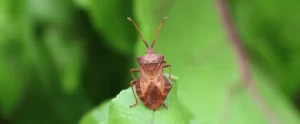
Chinch bugs in Fort Myers lawns often show up as yellow or brown patches that spread across St. Augustine grass. The damaged grass may feel dry, crunchy, and weak even when the lawn is getting water.
This happens often in Southwest Florida because chinch bugs love hot, sunny, stressed turf. Sandy soil and summer heat can make the damage spread faster, especially when the lawn is already weak.
How to fix it:
- Check the edge of the brown area for tiny black-and-white bugs.
- Reduce drought stress with proper deep watering.
- Apply a lawn insect control treatment made for chinch bugs.
- Avoid overusing nitrogen, which can push soft growth that pests like.
- Monitor the lawn after treatment to stop the next outbreak early.
Call a professional when the brown area keeps growing after watering or when the lawn has several dead patches across sunny areas.
2. Dollar Weed
Dollar weed in Florida lawns looks like round, bright green leaves that often rise above the grass. It can make the lawn look messy, uneven, and thin in wet areas. This weed spreads quickly in Fort Myers because moisture, humidity, and irrigation runoff create the perfect setting. Dollar weed is often a sign that the lawn is staying too wet or the turf is not thick enough to block weeds.
How to fix it:
- Check if the area is being watered too often.
- Adjust irrigation so the soil can dry between watering.
- Improve lawn thickness with proper fertilization and mowing.
- Use a selective weed control treatment that targets dollar weed.
- Recheck the area because dollar weed can return from roots and stems.
Call a professional when dollar weed keeps coming back, spreads through large sections, or appears with other weeds across the lawn.
3. Brown Patch Fungus
Brown patch fungus creates circular or irregular brown patches in lawn areas in Florida. The grass may look wet, weak, or matted, especially during humid mornings. Lawn fungus in Fort Myers is common because warm nights, heavy humidity, and extra moisture allow disease to spread. Overwatering, poor airflow, and too much nitrogen can make the problem worse.
How to fix it:
- Water early in the morning instead of at night.
- Reduce irrigation if the soil stays wet too long.
- Avoid heavy nitrogen during active fungus problems.
- Use a fungicide treatment when disease is confirmed.
- Improve airflow by trimming back heavy shade where needed.
Call a professional when the patches spread quickly, return every season, or appear after irrigation changes.
4. Sandy and Nutrient-Poor Soil
Sandy soil can make grass look pale, thin, and weak. The lawn may dry out fast, lose color quickly, or struggle to recover after stress. This is common in Southwest Florida because sandy soil drains quickly and does not hold nutrients well. Even with regular watering, grass roots may not get enough nutrition to stay thick and green.
How to fix it:
- Test the soil to see what nutrients are missing.
- Use a slow-release fertilizer made for Florida turf.
- Feed the lawn during the proper growing season.
- Avoid cheap fertilizer blends that push fast but weak growth.
- Build stronger roots with consistent lawn care instead of quick fixes.
Call a professional when the whole lawn looks pale, patchy, or weak even with normal watering.
5. Irrigation Overwatering or Underwatering
Watering problems can make grass look dead in Florida even when pests or disease are not the main issue. Underwatered grass may turn gray-green, curl, and become brittle, while overwatered grass may feel soft, soggy, or diseased.
Fort Myers lawns face both problems because sandy soil dries fast, but summer rain can also leave the lawn too wet. Irrigation systems that are not adjusted by season often cause patchy growth.
How to fix it:
- Water deeply instead of using short daily watering.
- Water early in the morning so grass blades dry faster.
- Check sprinkler coverage for dry spots and overspray.
- Reduce watering during rainy periods.
- Watch for curling blades before adding more water.
Call a professional when some zones stay dry while others stay soaked, or when brown spots appear even with regular watering.
6. Mole Crickets
Mole crickets can make the lawn feel loose, spongy, or uneven underfoot. You may also see thinning turf, small tunnels, or patches that pull up too easily.
These lawn pests in Fort Myers, FL are a problem because they feed around the root zone and disturb the soil. Warm weather helps them stay active, and damaged roots make the grass weaker during heat stress.
How to fix it:
- Look for soft soil, tunnels, and thinning turf.
- Confirm activity before applying treatment.
- Apply pest control at the right time in the insect life cycle.
- Repair damaged areas after pest pressure is reduced.
- Keep the turf healthy so it can recover faster.
Call a professional when the lawn feels loose, turf pulls up easily, or pest damage keeps spreading.
7. Gray Leaf Spot
Gray leaf spots show up as small gray, brown, or tan spots on grass blades. The lawn may look thin, stressed, or scorched even when the roots are still alive. This disease is common in humid Florida weather, especially on stressed St. Augustine grass. Too much moisture, too much nitrogen, and weak airflow can help it spread.
How to fix it:
- Look closely at grass blades for spots instead of only checking the soil.
- Water early so blades do not stay wet overnight.
- Avoid heavy nitrogen while the disease is active.
- Use a lawn fungicide when needed.
- Reduce stress from mowing, drought, or poor irrigation.
Call a professional when the spots spread across large areas or the lawn keeps thinning after basic care changes.
8. Salt Damage on Coastal Properties
Salt damage can make grass look burned, yellow, or brown along edges, driveways, sidewalks, and coastal areas. The damage may look like drought stress, but watering alone does not always fix it.
This happens in Southwest Florida because coastal air, storm surge, irrigation water quality, and salty runoff can affect turf health. Salt can pull moisture away from roots and make it harder for grass to recover.
How to fix it:
- Rinse affected areas with fresh water after salt exposure.
- Improve drainage where salty water collects.
- Avoid overfertilizing stressed grass.
- Replace badly damaged sections with new sod if roots are dead.
- Choose turf and care plans that match coastal conditions.
Call a professional when the damage returns after storms, shows up near hard surfaces, or affects large parts of the lawn.
How to Tell What Is Really Killing Your Lawn
If you want to know how to fix a patchy lawn in Florida, start by looking at the pattern. Pest damage, fungus, watering problems, and weeds each leave different clues. A quick inspection can help you avoid treating the wrong problem. Look for these signs:
- Crunchy yellow-brown patches may point to chinch bugs.
- Round wet-looking patches may point to brown patch fungus.
- Round green weeds may point to dollar weeds.
- Loose soil and thinning roots may point to mole crickets.
- Pale, weak grass may point to sandy or nutrient-poor soil.
- Burned edges may point to salt damage.
- Dry, brittle grass may point to underwatering.
- Soft, soggy grass may point to overwatering.
Why Lawn Weed Control and Lawn Pest Control Matter
A dying lawn is rarely caused by one simple issue. Weeds move into weak turf, pests attack stressed grass, and fungus spreads faster when watering or nutrients are off. That is why lawn weed control and lawn pest control work best as part of a complete lawn care plan.
Landscape Pros Management is a trusted local source for Fort Myers homeowners who want healthier grass without guessing at the problem. We offer lawn weed control in Fort Myers, FL and lawn pest control in Fort Myers, FL to target the weeds and insects that damage Southwest Florida lawns. Our team looks at the lawn, identifies the issue, and builds the right plan for the property.
Get Help Fixing Your Dying Lawn in Fort Myers
If your lawn is turning brown, thinning out, or getting taken over by weeds and pests, now is the time to act before the damage spreads. The right lawn care plan can target chinch bugs, dollar weed, fungus, mole crickets, poor soil, and watering stress before your grass gets worse. Choose professional lawn weed control and lawn pest control services built for Fort Myers lawns and Southwest Florida conditions. Contact us TODAY!