August is one of the toughest months for Florida lawns because intense heat, summer rain, and active insect populations can all affect turf at once. Chinch bugs in Florida lawns can cause serious damage to St. Augustine grass, while fall armyworms may quickly chew through large areas of turf. In Fort Myers, identifying these pests early can make a major difference before lawn damage spreads.
Why August Is So Difficult for Florida Lawns
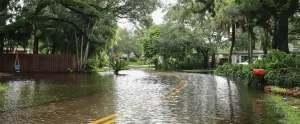
By August, Southwest Florida lawns have already endured months of strong sun, high temperatures, humidity, and frequent rainfall. These conditions can stress turf while also creating favorable conditions for several damaging lawn pests.
Chinch bugs tend to become especially active in hot, sunny areas, while fall armyworms can appear in large numbers during late summer. When both are active around the same time, homeowners need to pay closer attention to sudden changes in their lawn.
Common August warning signs include:
- Yellow or brown patches that continue expanding
- Grass that suddenly looks thin or uneven
- Turf that appears chewed or shortened
- Damage developing rapidly over several days
- Insects or caterpillars visible within the grass
- Areas that do not improve with normal watering
How Chinch Bugs Damage St. Augustine Grass
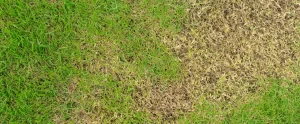
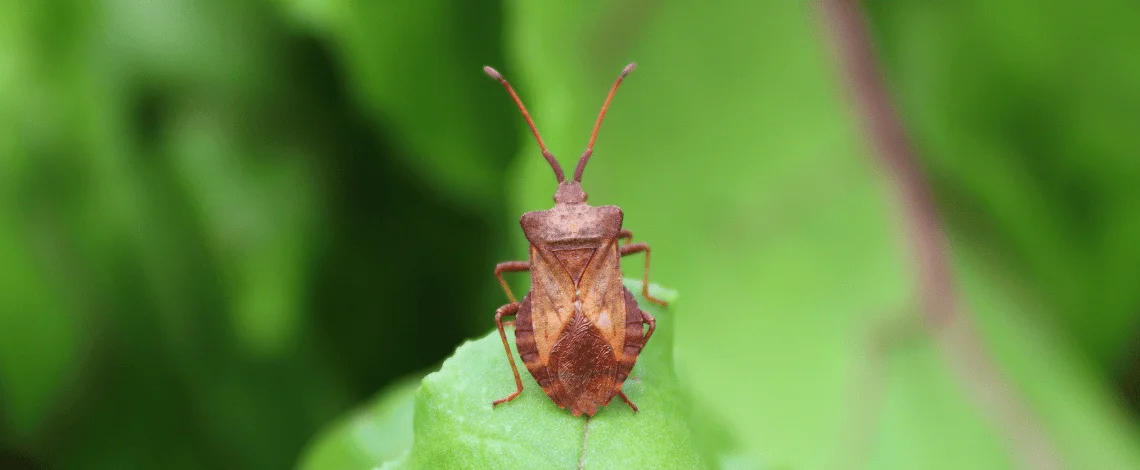
Southern chinch bugs are among the most troublesome St. Augustine grass pests in Florida. These tiny insects feed by piercing grass tissue and removing plant fluids, which weakens the turf and causes affected areas to gradually turn yellow and brown.
Damage commonly develops in hotter, exposed areas of the property. Sunny lawn edges near sidewalks, driveways, patios, and other heat-reflecting surfaces can be particularly vulnerable. Watch for signs such as:
- Irregular yellow patches that gradually turn brown
- Damage expanding outward into healthy grass
- Turf that looks drought-stressed despite adequate irrigation
- Problems concentrated in sunny portions of the lawn
- Small black insects with light-colored markings near damaged areas
Because chinch bug damage can resemble drought stress, homeowners sometimes increase watering without realizing insects are causing the problem.
Why Fall Armyworms Can Damage Turf So Quickly
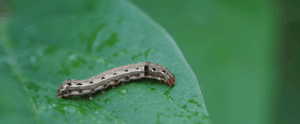
Despite their name, fall armyworms can become active well before fall arrives. They are caterpillars that feed directly on grass blades and can move across a lawn in large groups when populations are high.
Instead of gradually weakening the grass like chinch bugs, armyworms physically consume the turf. This feeding pattern means noticeable damage can sometimes develop in a very short period.
Signs of a fall armyworm in Florida can include:
- Grass blades that look chewed or ragged
- Sections of turf that suddenly appear thin
- Large areas that look closely clipped or stripped
- Greenish or brown caterpillars moving through the grass
- Dark heads with a pale inverted Y-shaped marking
- Increased activity during early morning or evening hours
Heavy infestations can be especially concerning because the damage may spread faster than many homeowners expect.
Chinch Bugs vs. Fall Armyworms: Know the Difference
Both pests can create brown or thinning areas, but they damage turf in different ways. Recognizing those differences can help narrow down what may be happening before treatment begins.
| Pest | Common Target | Typical Damage |
| Southern chinch bug | St. Augustine grass | Yellow-to-brown patches that gradually expand |
| Fall armyworm | Bermudagrass and other turfgrasses | Chewed blades, thinning areas, and rapidly stripped turf |
Chinch bug activity is often concentrated in hot, sunny portions of St. Augustine lawns. Armyworm damage tends to look more like something has physically eaten the grass.
How to Check Your Lawn for Active Pests
When you notice brown patches in your lawn in Fort Myers, inspecting the area quickly can help determine whether insects may be involved. Focus on the transition between damaged turf and healthy grass rather than only looking at the brownest section.
A simple inspection can include:
- Check the edge of the damaged area: Active pests are often easier to find where healthy and damaged turf meet.
- Separate the grass blades: Look down into the thatch and near the soil surface for small insects.
- Search for caterpillars: Inspect thinning or chewed areas for striped larvae.
- Look at the damage pattern: Expanding discoloration may suggest chinch bugs, while visibly eaten turf may point toward armyworms.
- Monitor how quickly it changes: Damage that spreads noticeably within a short period deserves prompt attention.
Not every brown patch is caused by insects. Irrigation problems, disease, mowing stress, and other lawn conditions can create similar symptoms, which is why identification matters before choosing a treatment.
How to Protect Your Lawn During Peak Pest Season
August lawn care should focus on reducing unnecessary stress while keeping a close eye on new damage. A healthier lawn may tolerate environmental pressure better and makes unusual pest activity easier to recognize.
A few practical habits can help:
- Avoid cutting turf shorter than recommended
- Keep mower blades sharp for cleaner cuts
- Check irrigation coverage regularly
- Avoid overwatering areas that already receive heavy rainfall
- Inspect new yellow or brown spots promptly
- Watch high-heat areas near pavement for chinch bug activity
- Look for chewed grass when armyworms are suspected
- Follow product labels carefully when applying lawn treatments
Routine monitoring is especially important during late summer because small problem areas can become much larger if active pests are left unchecked.
Why Professional Lawn Pest Control Can Make a Difference
At Landscape Pros Management, we help homeowners identify what is actually damaging their turf before recommending the appropriate treatment. Our lawn pest control service in Fort Myers, FL is designed to address common Southwest Florida lawn pests while considering the grass type, property conditions, and severity of the problem.
We inspect affected areas, determine whether insects are present, and apply targeted treatments when needed. This approach helps avoid unnecessary applications while giving active pest problems the attention they require before additional turf is affected.
Stop August Lawn Pests Before They Take Over
If your Fort Myers lawn is suddenly turning brown, thinning, or showing signs of insect feeding, acting early can help limit further damage. Chinch bugs and fall armyworms can both create serious problems during the height of summer, but the right identification and treatment plan can make the situation much easier to manage.
Choose our professional lawn pest control services to protect your residential lawn and keep summer pest activity from spreading across your property. Call us today!