September can be especially destructive for Southwest Florida lawns because sod webworms and fall armyworms have had all summer to reproduce. As larger caterpillars begin feeding heavily, turf damage can spread quickly and turn healthy grass into thin, brown patches.
Warm temperatures and rainy conditions can keep these pests active while the lawn may already be stressed by heat, excess moisture, or disease. Spotting the difference between pest activity and other lawn problems is essential for stopping damage before it covers a larger area.
Why Turf Caterpillar Damage Peaks in September
Several generations of moths may develop throughout the summer, with each generation adding more eggs and larvae to the lawn. By September, a large number of caterpillars may reach their later growth stages, when they consume considerably more grass.
Conditions that can increase the risk include:
- Warm weather that supports continued insect activity
- Heavy summer rain and moisture around the thatch
- Multiple generations developing during the season
- Larger caterpillars with stronger appetites
- Turf already stressed by weather or disease
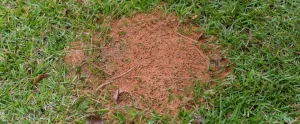
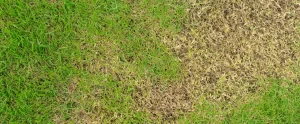
This combination can cause sod webworm damage in Florida or a fall armyworm September outbreak to appear almost overnight. A patch that initially resembles drought or fungus may expand rapidly as the caterpillars continue feeding.
Sod Webworms vs. Fall Armyworms
Accurate lawn pest identification in Florida starts with looking at the caterpillar, its feeding habits, and the pattern left behind. Although both pests chew grass blades, they behave differently enough to help homeowners narrow down the cause.
| Feature | Sod Webworms | Fall Armyworms |
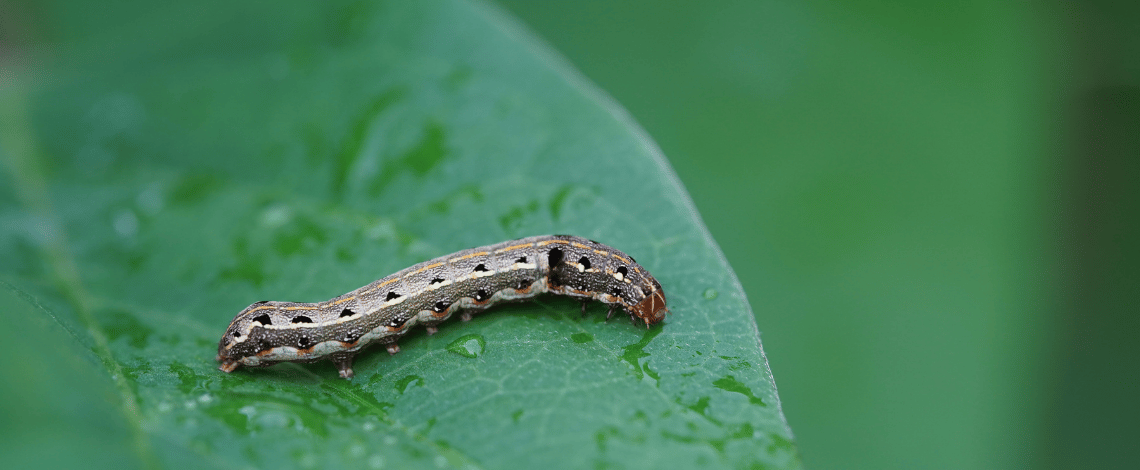
| Appearance | Cream, tan, gray, or light green with dark spots and small bristles | Green, brown, gray, or black with stripes and an inverted “Y” on the head |
| Typical Feeding Time | Mainly at night | Early morning, evening, and sometimes during the day |
| Daytime Behavior | Hide in silk-lined tunnels within the thatch | May remain visible while moving and feeding in groups |
| Damage Pattern | Irregular thinning or brown patches that gradually expand | Rapidly expanding areas of heavily chewed or stripped turf |
| Adult Moth Activity | Small tan moths fly close to the grass when disturbed | Darker moths travel longer distances and lay clusters of eggs |
Signs of Sod Webworm Activity
Sod webworm damage usually begins as small, irregular areas of thinning grass. Closer inspection may reveal chewed blades, green waste pellets in the thatch, or small tan moths flying up as someone walks across the lawn.
Because the larvae hide during the day, the caterpillars themselves may not be immediately visible. Inspecting the thatch after sunset or using a soap flush can make an active infestation easier to confirm.
Signs of Fall Armyworm Activity
Fall armyworms often feed in groups and can move across a lawn in a noticeable direction. The grass may appear closely clipped, ragged, or stripped, with damage expanding much faster than a typical dry patch.
Check the border between healthy and damaged turf for striped caterpillars. The pale inverted “Y” marking on the head is one of the most useful signs for distinguishing a fall armyworm from other turf caterpillars.
How to Confirm an Active Infestation
Brown grass alone does not prove that caterpillars are responsible. Fungal disease, improper irrigation, fertilizer stress, and chinch bugs can create similar symptoms, so the lawn should be inspected before any treatment is selected. Homeowners should look beyond turf color and check for direct evidence of feeding. Some of the most common clues include:
- Grass blades with chewed edges or missing sections
- Brown patches that expand within a day or two
- Increased bird activity in one specific area
- Small moths flying close to the turf
- Caterpillars near the edge of damaged grass
- Green or brown waste pellets within the thatch
Perform a Soap Flush Test
A soap flush can bring surface-feeding caterpillars out of the thatch and make them easier to count. Test the edge of a damaged patch, where insects are more likely to be actively feeding.
- Mark a section measuring approximately one square yard.
- Mix 1 to 2 ounces of liquid dish soap with one gallon of water.
- Pour the mixture evenly across the selected turf.
- Watch the area closely for about 10 minutes.
- Collect or photograph the insects that rise to the surface.
The number, size, and type of caterpillars will help determine whether treatment is appropriate. When identification remains uncertain, a professional inspection can prevent the wrong lawn problem from being treated.
Treating the Pests and Helping Turf Recover
Treatment should begin as soon as an active, damaging population is confirmed. Younger larvae are generally easier to control, while larger caterpillars can continue consuming significant amounts of turf before completing their development.
Target the Active Caterpillars
The selected product must be labeled for the identified pest and appropriate for the property. Application timing, rainfall, irrigation, larval size, and the location of the caterpillars can all affect the result.
A professional treatment plan may involve:
- Treating damaged areas and their active borders
- Selecting products based on pest type and development stage
- Applying treatments when caterpillars are feeding
- Following label requirements for watering and reentry
- Monitoring the lawn for continued feeding or new hatchings
Biological products such as Bacillus thuringiensis can work on younger caterpillars but become less reliable as the larvae mature. Broad applications should be avoided until the pest and the extent of the infestation have been confirmed.
Support Lawn Recovery
Warm-season grasses may recover if their crowns and roots remain healthy, even when much of the green leaf tissue has been eaten. However, severely damaged sections may need additional care or sod replacement.
Maintain appropriate irrigation, avoid cutting the grass too short, and limit unnecessary traffic across weakened areas. Excessive watering or fertilizer will not repair the lawn faster and may contribute to disease or additional stress.
Professional Lawn Pest Control for Fort Myers Properties
At Landscape Pros Management, we provide professional lawn pest control services for properties in Fort Myers and surrounding Southwest Florida communities. We inspect the lawn, identify the cause of the damage, and choose pest control methods suited to the specific infestation.
We also provide regular monitoring and preventive recommendations that support longer-lasting results. By considering pest activity along with irrigation, fertilization, and overall turf condition, we can address the source of the damage instead of treating every brown patch the same way.
Stop September Turf Damage Before It Spreads
Sod webworms and fall armyworms can damage large sections of turf when an infestation goes unnoticed. Contact us today for professional lawn pest control in Fort Myers, and let our team identify the caterpillars, apply the appropriate treatment, and help your lawn begin recovering.