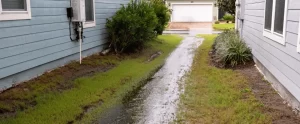
Seeing more fire ants after rain in Florida is common during Southwest Florida’s wet season. Heavy rainfall can saturate underground nests, causing colonies to rebuild tunnels, shift toward higher ground, and create fresh mounds that suddenly become much easier to see.
September can make the problem especially noticeable in Fort Myers because warm temperatures and repeated late-summer rain keep fire ants active. Knowing what those new mounds mean can help you protect your lawn and decide when you need professional pest control.
Why Fire Ant Mounds Suddenly Appear After Rain
A visible mound is only the surface portion of a much larger underground colony. When the surrounding soil becomes saturated, fire ants may reorganize their tunnels or move parts of the colony to drier areas.
After a stretch of heavy rain, you may notice:
- Fresh piles of loose soil across the lawn
- New mounds in slightly elevated areas
- Increased activity along sidewalks and driveways
- Ants appearing around irrigation boxes or landscape edges
- Several mounds appearing within a short period
The rain did not necessarily create all those colonies. In many cases, it simply made established colonies more visible.
Why September Can Bring a Surge in Fort Myers
Fire ants can remain active throughout much of the year in Florida, so September is not the only fire ant season in Florida. However, late summer combines several conditions that can make colonies especially noticeable.
| September Condition | What It Can Mean for Your Lawn |
| Frequent rainfall | Saturated nests may be rebuilt or relocated |
| Warm soil | Fire ants remain active and continue foraging |
| Repeated storms | Fresh mounds may appear after each wet period |
| Soft, moist soil | Colonies can reorganize tunnels more easily |
| Wet and dry cycles | Mounds may repeatedly disappear and return |
These conditions help explain why homeowners may feel like fire ants suddenly took over the property even when colonies were already present underground.
Where Fire Ant Mounds Commonly Show Up
Fire ants often favor sunny, open areas, making lawns one of the most common places to find them. After heavy rain, colonies may also become noticeable in locations where the ground drains more quickly.
Watch for fire ant mounds in your lawn around:
- Sidewalks and driveway edges
- Open turf areas
- Landscape beds and curbing
- Irrigation valve boxes
- Patios and outdoor seating areas
- Trees and other slightly raised areas
Avoid kicking, stepping on, or digging into a mound to see whether it contains fire ants. Disturbing the nest can quickly bring large numbers of defensive workers to the surface.
Fire Ants Can Become More Than a Lawn Nuisance
Fire ant mounds can disrupt the appearance of otherwise healthy turf, but the bigger concern is where the colonies develop. Mounds near play areas, walkways, patios, or pet areas can create an unwanted stinging hazard.
They can also become difficult to manage when colonies spread throughout a larger lawn. Addressing the problem early through lawn pest control can help target active colonies before multiple areas of the property become affected.
Signs It May Be Time for Pest Control
A single mound does not always indicate a widespread problem. Several recurring signs, however, may point to a larger infestation.
Consider professional fire ant control in Fort Myers when you notice:
- Multiple active mounds throughout the lawn
- New colonies returning after previous treatments
- Fire ants near areas used by children or pets
- Activity around patios, walkways, or outdoor living spaces
- Mounds continuing to appear after rainy periods
Landscape Pros Management provides lawn pest control designed for common Southwest Florida pests, including fire ants. Professional inspection can help determine how widespread the activity is before deciding on the appropriate treatment approach.
Why Treating Only the Visible Ants May Not Work
Most of a fire ant colony remains underground, including the queen and developing ants. Spraying or killing only workers moving across the surface may reduce visible activity temporarily without eliminating the colony.
Professional treatment may involve addressing individual mounds, treating a larger lawn area, or using a combination of methods depending on the infestation. The goal is to address the colony, not just the ants that happen to be visible that day.
This becomes especially important after September storms because several mounds may appear at once across different parts of the property.
Irrigation Can Affect Already-Wet September Lawns
Rainfall is the main source of excess moisture during Southwest Florida’s wet season, but an irrigation system that continues running unnecessarily can make already-saturated areas even wetter.
After several days of rain, check for:
- Sprinklers running despite recent rainfall
- Broken heads creating constantly wet areas
- Leaking valves or irrigation lines
- Water pooling around sprinkler components
- Zones receiving more water than necessary
Landscape Pros Management offers irrigation repair and irrigation installation services that can help keep watering more consistent across the property. Fixing leaks and adjusting inefficient watering does not eliminate fire ants, but it can prevent unnecessary water buildup while supporting healthier turf.
Healthy Turf Still Matters During Pest Season
Fire ant treatment is only one part of maintaining a lawn through Southwest Florida’s rainy months. Turf that is already stressed by excessive moisture, poor nutrition, weeds, or other insects may have a harder time maintaining consistent coverage.
A coordinated lawn care approach may include:
- Checking the lawn regularly for pest activity.
- Treating confirmed fire ant colonies appropriately.
- Correcting irrigation leaks or watering problems.
- Following an appropriate lawn fertilization program.
- Watching for additional turf pests or disease symptoms.
Landscape Pros Management provides lawn fertilization alongside pest control and irrigation services, allowing different lawn health issues to be addressed without treating every brown patch or mound as the same problem.
What to Do When Mounds Appear After the Next Storm
When September rain clears, a quick lawn inspection can help you catch new activity before someone accidentally steps into a mound.
Start by walking the property without disturbing suspicious soil piles. Note where the mounds are located, whether several have appeared at once, and whether they are close to high-traffic areas. If colonies continue returning or spreading, professional lawn pest control can provide a more targeted approach than repeatedly treating individual ants yourself.
Control Fire Ants Before They Spread Across Your Fort Myers Lawn
A sudden increase in fire ant mounds after rain does not mean colonies appeared overnight. September rainfall can force established colonies to rebuild, relocate, and become much more visible throughout Fort Myers lawns.
Landscape Pros Management combines lawn pest control with fertilization, irrigation repair, irrigation installation, and residential landscaping services to support healthier outdoor spaces throughout Southwest Florida. Contact us today to schedule fire ant control in Fort Myers and keep unwanted mounds from taking over your lawn.