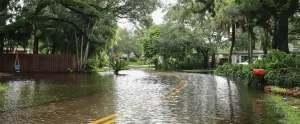
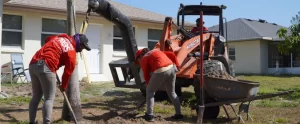
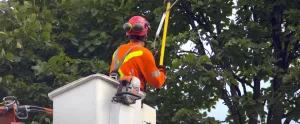
Restoring your yard after heavy September flooding requires patience, safe cleanup, and a clear plan for repairing damaged turf, plants, soil, and drainage. Begin by allowing saturated areas to dry, then remove debris, assess the damage, and address the conditions that caused water to collect. The right landscape flood recovery steps can help your Fort Myers property recover while reducing the chance of similar damage during the next major storm.
1. Wait Until the Property Is Safe and Dry
Avoid walking, mowing, or driving equipment across saturated ground. Pressure on wet soil can create deeper compaction, damage grass roots, and leave ruts that collect more water. Before starting any cleanup, check the property carefully for hazards carried or exposed by the flood.
- Stay away from downed power lines and unstable trees.
- Wear waterproof boots and gloves around mud or standing water.
- Watch for sharp debris, displaced landscape materials, and hidden holes.
- Photograph major damage before removing anything related to an insurance claim.
- Wait until the soil feels firm and no longer leaves deep footprints.
2. Remove Debris, Mud, and Silt From the Lawn
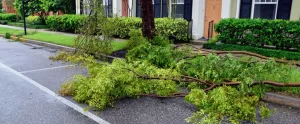
Once the property is safe to enter, remove branches, leaves, trash, and other storm debris by hand or with a light rake. A heavy layer of silt can block sunlight and oxygen from reaching the grass, so it should be loosened or removed after the surface begins to dry.
Thin deposits may be gently broken apart and spread, but deep silt can require professional removal. Avoid aggressive raking while the ground is soft because it may pull up weakened turf and disturb the soil even further. University of Vermont Extension recommends allowing waterlogged lawns to dry before mowing or adding foot traffic.
3. Check the Soil Before Repairing the Turf
Floodwater fills the spaces in soil that normally hold oxygen, leaving grass roots stressed and vulnerable to decline. It can also compact the ground, wash away topsoil, and move sediment into low spots. These conditions should be corrected before attempting storm damage lawn repair.
Look for several signs that the soil needs additional attention:
- Water that remains after surrounding areas have dried
- A hard or crusted soil surface
- Soft areas that sink under light pressure
- Exposed roots or eroded slopes
- Sour odors that may indicate poor drainage
- Grass that turns yellow, brown, or thin
Core aeration may help loosen compacted soil and restore airflow once the ground is dry enough to support the equipment. Severely eroded or contaminated areas may need fresh soil and more extensive preparation.
4. Restore the Lawn After Flooding
The best way to restore a lawn after flooding depends on how long the grass remained underwater and how much mud covered the surface. Turf with minor thinning may recover with careful mowing and maintenance, while dead or deeply buried areas may need sod replacement.
Start with these recovery steps:
- Allow the soil to drain and become firm.
- Remove debris and excessive silt.
- Aerate compacted areas when conditions are suitable.
- Mow only when the grass is dry, using a sharp blade and a higher setting.
- Replace dead or bare sections with sod after correcting the underlying soil.
- Adjust irrigation so recovering areas are not receiving unnecessary water.
Do not rush to apply high-nitrogen fertilizer immediately after flooding. Damaged roots may not be ready to use those nutrients, and additional rain can carry the product away before it benefits the lawn.
5. Inspect Plants and Landscape Beds for Damage
Flooded plants may look healthy at first but begin declining days later as root damage becomes visible. Rinse mud from leaves, remove broken stems, and watch for yellowing, wilting, soft tissue, or an unpleasant odor around the roots.
Avoid heavy pruning or replacing every stressed plant immediately. Some plants can recover once oxygen returns to the soil, while others affected by root rot or prolonged submersion may need removal. Displaced mulch can be replaced after the area dries, but it should not be piled against trunks, stems, or the foundation.
6. Check Irrigation Before Turning It Back On
After several days of heavy rain, the soil may already hold more moisture than the lawn and plants can use. Pause the irrigation schedule and inspect the system before restarting it. Broken heads, shifted lines, or uneven coverage can worsen saturated conditions and slow recovery.
Professional irrigation repair can correct leaks and restore consistent coverage after the excess moisture has drained. Once the system is working properly, watering schedules should be adjusted to match current rainfall and the needs of recovering turf.
7. Improve Drainage After Heavy Rain in Florida
If the same part of the yard floods repeatedly, cleanup alone will not provide a lasting solution. Effective drainage after heavy rain in Florida starts with determining where the water enters, why it stops moving, and where it can be redirected safely.
Possible improvements may include:
- Clearing blocked gutters, downspouts, swales, and drainage paths
- Correcting low areas that collect stormwater
- Regrading sections of the property to improve water movement
- Redirecting downspout discharge away from the home
- Adjusting soil levels around patios and walkways
- Improving the overall landscape layout in flood-prone areas
Regrading must be planned carefully so water is not directed toward the house or a neighboring property. A professional assessment is especially helpful when standing water reaches the foundation or returns after every major storm.
Know What You Can Handle and When to Call a Professional
Homeowners can often manage light debris removal, gentle cleanup, and basic monitoring after shallow flooding. Professional help is a better choice when the damage includes deep silt, widespread turf loss, severe erosion, unstable trees, damaged irrigation, or recurring standing water.
You should also call a professional when water remains for several days or when the source of the drainage problem is unclear. Repairing visible damage without correcting soil levels or water flow may leave the property vulnerable during the next period of heavy rain.
Your Go-To Team for Residential Landscape Recovery
At Landscape Pros Management, we help homeowners restore outdoor spaces that have been damaged by storms and excessive rainfall. Our residential landscaping services include landscape design, sod installation, landscape curbing, lawn fertilization, weed and pest control, irrigation installation and repair, tree trimming, tree removal, and landscape lighting.
We can evaluate how the lawn, plants, trees, irrigation system, and overall layout have been affected. From replacing damaged sod and repairing irrigation to trimming unsafe branches and improving the landscape design, we create a practical recovery plan based on what your Fort Myers property actually needs.
Restore Your Flood-Damaged Yard With Professional Help
Heavy September flooding can leave lasting problems when damaged turf, compacted soil, weakened plants, and poor drainage are left untreated. Our team can assess the affected areas and recommend residential landscaping services that support a safe, healthy recovery. Contact us today to restore your storm-damaged yard and prepare your property for future Southwest Florida rainfall.