Lee County fertilizer restrictions end on October 1, which means homeowners can resume applying nitrogen and phosphorus fertilizer to their lawns. However, the first fall fertilizer application should be measured and carefully timed to support recovery without encouraging excessive growth or nutrient runoff.
What Changes After October 1?
Lee County prohibits fertilizers containing nitrogen or phosphorus from June 1 through September 30. Once October begins, you can restart lawn fertilization, but the county’s remaining application rules still apply.
Your October fertilizer plan should account for these requirements:
- Use a fertilizer containing at least 50% slow-release nitrogen.
- Maintain a 10-foot fertilizer-free buffer around water bodies and wetlands.
- Keep fertilizer off driveways, sidewalks, roads, and other hard surfaces.
- Use a deflector shield when applying fertilizer with a broadcast or rotary spreader.
- Apply only the amount needed and follow the product label.
Municipal rules can differ within Lee County, so homeowners should also confirm whether their city has additional requirements.
- Check Your Lawn Before Applying Fertilizer
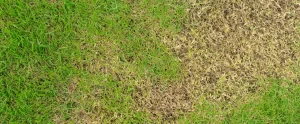
Southwest Florida lawns may look pale, thin, or uneven after several months without nitrogen fertilizer. These symptoms do not always mean the grass needs a heavy application, since irrigation problems, pests, disease, and compacted soil can create a similar appearance.
Inspect the lawn before choosing a product or setting the spreader rate. Pay attention to:
- Yellow or light-green grass
- Thin areas and slow growth
- Dry spots or overly wet soil
- Signs of insects or turf disease
- Weeds competing with the grass
- Uneven irrigation coverage
Identifying the underlying issue helps prevent unnecessary fertilizer use and gives your grass the type of care it actually needs.
- Prepare the Lawn for Its October Treatment
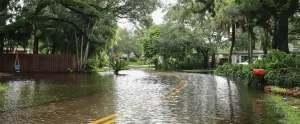
Good preparation helps fertilizer granules reach the soil evenly. Mow the lawn at the appropriate height for its grass variety, but avoid cutting it extremely short before treatment. Remove fallen branches, leaves, and other debris that could block the application. If the lawn is saturated after heavy rain, wait until the soil has drained and no significant rainfall is expected during or immediately after treatment.
- Choose the Right Fall Fertilizer
A phosphorus-free blend such as 15-0-15 may be suitable for an established lawn when a soil test does not show a phosphorus deficiency. The three numbers describe the percentages of nitrogen, phosphorus, and potassium in the product.
The fertilizer must contain at least 50% slow-release nitrogen under Lee County’s ordinance. Slow-release nitrogen feeds the grass gradually, reducing the risk of rapid growth, fertilizer burn, and nutrients washing away before the lawn can use them.
Avoid choosing a product solely because it promises fast greening. The correct formula depends on the grass variety, soil conditions, nutrient needs, and instructions printed on the product label.
- Follow a Careful October Application Process
An even application supports consistent color and growth across the lawn. It also prevents streaks, burned areas, and unnecessary fertilizer from reaching nearby waterways. Use this straightforward restart process:
- Measure the lawn area: Calculate the square footage so you can select the proper amount of fertilizer.
- Read the product label: Confirm the nutrient analysis, slow-release nitrogen percentage, application rate, and watering instructions.
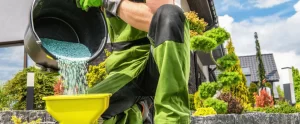
- Set the spreader correctly: Use a calibrated broadcast spreader with a deflector shield to control where the granules land.
- Protect nearby water: Leave at least 10 feet untreated around canals, ponds, lakes, wetlands, seawalls, and other water bodies.
- Clean hard surfaces: Sweep stray granules from sidewalks and driveways back onto the lawn instead of rinsing them into a drain.
- Water according to the label: Light irrigation may help move nutrients into the soil, but too much water can carry them away.
Why More Fertilizer Is Not Better
A lawn that has gone through the summer blackout does not need several months of nutrients applied all at once. Excess fertilizer can burn the grass, produce weak top growth, increase mowing needs, and allow nitrogen to move into storm drains and nearby waterways.
Lee County limits total nitrogen use to no more than four pounds per 1,000 square feet each calendar year. The county also directs users to apply fertilizer at the lowest rate necessary, making careful measurement an important part of every fall fertilizer application.
Skip Weed-and-Feed During the Restart
Weed-and-feed products combine fertilizer with an herbicide, but the lawn’s nutrient needs and weed-control needs may not follow the same schedule. A combined treatment can expose the entire lawn to an herbicide even when weeds appear only in certain areas.
Handle nutrition and weed control as separate decisions whenever possible. This approach allows you to choose the right fertilizer for the grass while targeting weeds with a treatment suited to the weed species and current conditions.
Professional Lawn Fertilization for Fort Myers Homes
At Landscape Pros Management, we provide lawn fertilization services for residential properties in Fort Myers and surrounding Lee County communities. We evaluate the lawn, identify the grass variety and visible concerns, select an appropriate treatment, and use calibrated equipment to provide even coverage.
Our customized programs support St. Augustine, Bermuda, Zoysia, Bahia, and other Florida grass varieties. We also offer strategic treatment timing, follow-up monitoring, and complementary weed control to help lawns develop stronger roots, improved color, and denser growth.
Restart Your Lawn Fertilization Plan This October
October is the right time to resume lawn fertilization in Lee County, but a careful application produces better results than an aggressive restart. Our team can assess your grass, select the proper nutrients, and apply them evenly while following local requirements.
Choose our lawn fertilization services for a treatment plan built around your property and Southwest Florida’s growing conditions. Contact us today to schedule your lawn evaluation and October fertilizer application.