You can keep your lawn healthy during the Lee County fertilizer ban by focusing on natural nutrient recycling, proper mowing, smart watering, and soil health instead of routine nitrogen or phosphorus applications. From June 1 through September 30, Lee County’s summer fertilizer restrictions prohibit applying fertilizers containing nitrogen or phosphorus in unincorporated Lee County, helping reduce nutrient runoff during Southwest Florida’s rainiest months.
The fertilizer blackout in Florida does not mean homeowners need to ignore their lawns all summer. It simply changes the way you care for the grass until regular fertilization can safely resume.
Why Lee County Has a Summer Fertilizer Blackout
Southwest Florida receives frequent heavy rain during summer, which makes fertilizer runoff a bigger concern. Nutrients that wash from lawns into drains and waterways can contribute to water-quality problems and harmful algal blooms in local waters.
Lee County’s Fertilize Smart approach encourages responsible lawn care that reduces unnecessary nutrient pollution. During the blackout period, homeowners should focus on helping the turf make better use of existing nutrients, moisture, and organic material already on the property.
Feed Your Lawn Naturally Without Breaking the Rules
One of the easiest approaches to natural lawn care in summer is to recycle what your lawn already produces. Small changes to mowing and soil care can support healthy turf without relying on a standard nitrogen or phosphorus fertilizer application.
- Leave short grass clippings behind: Properly sized clippings break down naturally and return organic material to the soil.
- Consider compost carefully: A light layer of suitable compost may support soil structure and microbial activity, but always confirm that the product complies with local fertilizer rules.
- Improve the soil instead of forcing growth: Healthy soil helps roots make better use of available moisture and nutrients.
- Keep organic material on the lawn: Avoid blowing clippings into streets, sidewalks, or storm drains where they can wash into waterways.
Do not assume a product is allowed simply because the label says “natural” or “organic.” If it contains regulated nitrogen or phosphorus, it may still be restricted during the blackout period.
Smart Ways to Care for Your Lawn During the Blackout
Fertilizer is only one part of maintaining healthy turf. Proper mowing, irrigation, runoff prevention, and seasonal observation can make a noticeable difference during Fort Myers’ hot and rainy summer months.
Adjust Your Mowing and Watering
Keep your grass at the recommended height and avoid removing too much of the blade at one time. Taller, properly maintained turf can develop stronger roots and handle summer stress more effectively.
Water only when the lawn actually needs it, especially during weeks with frequent rainfall. When irrigation is necessary, early-morning watering helps moisture reach the root zone without keeping the turf unnecessarily wet overnight.
Keep Clippings and Soil Out of Storm Drains
Summer storms can quickly wash loose material from driveways and sidewalks into nearby drainage systems. Sweep grass clippings, soil, and other debris back onto the property instead of rinsing them toward the street. These small habits support the purpose of the Lee County fertilizer ban by reducing the amount of nutrient-rich material that can enter Southwest Florida waterways.
Watch Your Lawn Before Fertilizing Again
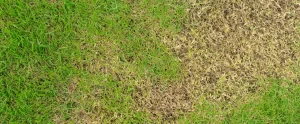
Yellowing, thin patches, weeds, or uneven growth do not always mean your lawn needs more fertilizer. Irrigation problems, insects, disease, poor soil conditions, or improper mowing can create similar symptoms.
Use the blackout period to identify these issues before regular fertilization resumes. That makes it easier to create a more targeted lawn care plan once nitrogen and phosphorus applications are permitted again.
Get Professional Help With Your Lawn Fertilization Plan
At Landscape Pros Management, we understand that successful lawn fertilization in Fort Myers is as much about proper timing as it is about choosing the right nutrients. Our lawn fertilization services are planned around local grass varieties, property conditions, and Southwest Florida’s seasonal challenges.
We evaluate the condition of your lawn and schedule treatments around the times when fertilizer can be applied responsibly and effectively. This helps us support healthier turf while respecting local restrictions and avoiding unnecessary nutrient applications during the summer blackout.
Keep Your Lawn Healthy Through the Fertilizer Blackout
The summer fertilizer blackout does not have to leave your lawn struggling until October. Smart mowing, careful watering, recycled grass clippings, and responsible soil care can help your turf handle Lee County’s wettest months while reducing unnecessary nutrient runoff. When it is time to resume fertilization, contact us to create a lawn care plan designed around your grass, property conditions, and the proper seasonal timing.