October is a good time to begin planting winter annuals in Florida as temperatures gradually become more comfortable. Petunias, snapdragons, sweet alyssum, marigolds, dianthus, coleus, pansies, and violas can bring lasting color to Southwest Florida properties. Since October can still feel hot, plant selection and timing should reflect current temperatures rather than the calendar alone.
Choosing Winter Annuals for Southwest Florida
Southwest Florida’s mild winters create opportunities to enjoy colorful flowers long after summer ends. Choosing plants based on temperature, sunlight, and available space will help you create a display that stays attractive for months.
Why October Starts the Seasonal Planting Window
October marks the transition from hot, humid summer conditions to milder fall and winter weather. Cooler evenings help many seasonal flowers establish stronger roots and produce longer-lasting blooms.
However, daytime heat can continue well into the month. Heat-tolerant plants may be installed first, while pansies, violas, and other cool-season annuals often perform better once consistently cooler weather arrives. UF/IFAS recommends waiting until November or later when heat and humidity remain high.
Colorful Winter Annuals to Consider
The best plants depend on sunlight, moisture, available space, and the colors already around your home. Combining plants with different heights and textures can create an attractive display without making the area look crowded. Consider these popular choices for seasonal color landscaping:
- Petunias: Petunias produce abundant flowers in many colors and perform well in sunny beds or containers once the weather becomes cooler.
- Snapdragons: Their tall flower spikes add height and structure. Place them behind shorter annuals to create a layered appearance.
- Sweet Alyssum: This low-growing annual produces clusters of small, fragrant flowers. It works especially well along borders and around taller plants.
- Marigolds: Marigolds provide rich yellow, orange, and gold tones. They tolerate transitional fall weather and add warm color to sunny areas.
- Dianthus: Dianthus offers compact growth and colorful flowers with detailed petals. It can be used along walkways, borders, or in containers.
Petunias, snapdragons, and sweet alyssum are among the winter annuals recommended by UF/IFAS for Florida landscapes.
Save Pansies and Violas for Cooler Weather
Pansies and violas are classic winter annuals, but they do not enjoy the lingering heat that Southwest Florida sometimes experiences in October. Planting them too early can lead to stress, weak growth, and a shorter display.
Watch the forecast and wait until daytime and nighttime temperatures begin dropping consistently. Once conditions improve, these compact flowers can provide cheerful color through much of the cooler season.
Use Coleus for Early Fall Foliage
Coleus brings color through its foliage rather than its flowers. Its leaves may feature combinations of lime green, yellow, burgundy, pink, or magenta, making the plant useful in partly shaded areas.
Unlike true cool-season annuals, coleus prefers warmth and can become damaged during unusually cold weather. It works well as an early October option, but homeowners should be prepared to protect or replace it if temperatures fall sharply.
Preparing and Caring for Winter Annuals
Healthy seasonal color begins before the first plant goes into the soil. Preparing the area, choosing an appropriate location, and providing consistent care will help annuals establish successfully and continue producing new growth.
- Prepare the Planting Area Before Installation
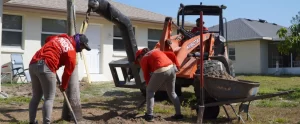
Good preparation helps fall flowers establish quickly and continue performing through winter. Southwest Florida soils can drain rapidly, so improving the planting area before installation helps roots access moisture and nutrients more consistently. Use the following steps to prepare the space:
- Remove declining plants, weeds, roots, and other debris.
- Loosen compacted soil to support healthy root development.
- Mix organic matter or nutrient-rich topsoil into the existing soil.
- Add a controlled-release fertilizer according to the product directions.
- Confirm that the area drains properly before installing new plants.
Adding organic matter and controlled-release fertilizer can improve the performance of winter annuals.
2. Choose the Right Location and Layout
Most winter annuals produce their best flowers in full sun, although coleus generally appreciates some afternoon shade. Before planting, observe how sunlight moves across the property and check whether nearby trees or structures create shaded areas.
Keep the design simple by repeating a limited number of colors and plant varieties. Grouped flowers usually create a stronger visual impact than placing many unrelated colors throughout the landscape.
3. Water and Maintain New Annuals Carefully
New annuals need steady moisture while their roots become established. Water thoroughly after installation, then monitor the soil so it remains evenly moist without becoming constantly saturated. Simple ongoing care can help the display last longer:
- Water near the soil instead of regularly soaking the leaves and flowers.
- Check containers and sunny locations more frequently for dry soil.
- Remove faded flowers to encourage the plants to form new buds.
- Watch for insects, leaf spots, or declining growth.
- Replace weak plants before gaps affect the overall design.
UF/IFAS also recommends watering thoroughly after planting and removing old blooms to support continued flowering.
4. Plan Seasonal Color Around the Whole Property
Winter annuals can highlight an entrance, frame a walkway, brighten a patio, or draw attention to an attractive architectural feature. Repeating the same colors in a few carefully selected areas can connect different parts of the property.
Avoid filling every open area with flowers. Thoughtful spacing leaves room for each grouping to stand out while keeping watering, trimming, and seasonal replacement work manageable.
Let Us Refresh Your Residential Landscape
At Landscape Pros Management, we help homeowners create attractive outdoor spaces designed around their properties and the Southwest Florida climate. Our residential landscaping services include landscape design, curbing, lighting, sod installation, water features, irrigation, lawn treatments, and tree care.
We can develop a clear layout, select suitable plants, prepare the site, and complete the installation with long-term appearance and function in mind. Our team can also coordinate seasonal color with other landscape features for a more cohesive result.
Add Months of Color to Your Southwest Florida Property
October is the right time to start planning a colorful display that can brighten your property throughout the cooler months. Our team can select annuals that suit your sunlight, layout, and preferred color palette. We will also prepare and install each planting area for healthy, lasting results. Contact us today to schedule professional landscaping services for your Southwest Florida home.