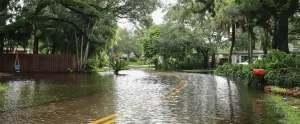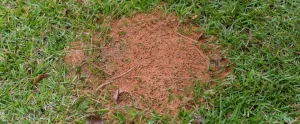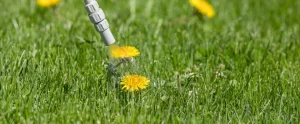
Florida’s rainy season creates ideal conditions for mosquitoes because frequent storms leave water sitting in lawns, containers, gutters, and other areas around the property. The best way to mosquito-proof your yard is to reduce standing water, improve drainage, maintain overgrown vegetation, and address places where mosquitoes can breed or rest. For Fort Myers homeowners, these simple steps can make a noticeable difference during the wettest months of the year.
1. Start by Eliminating Standing Water After Rain
Standing water is one of the biggest factors behind rising mosquito activity during Florida’s rainy season. Mosquitoes lay their eggs in or around water, and some common species can develop from eggs to flying adults surprisingly quickly. Checking the property regularly helps eliminate breeding areas before another generation develops.
After a heavy storm, look for water collecting in places such as:
- Buckets, toys, and outdoor containers
- Plant saucers and empty pots
- Wheelbarrows and equipment
- Birdbaths and pet water bowls
- Sagging tarps and furniture covers
- Trash cans and recycling containers
- Clogged gutters and downspouts
Empty, cover, turn over, or scrub items that hold water whenever possible. The CDC recommends checking water-holding items at least weekly, which is especially important when frequent Southwest Florida storms continually refill them.
2. Fix Lawn Areas Where Water Refuses to Drain
Containers are easy to empty, but puddles across the lawn can signal a larger standing water drainage problem. Low spots, compacted soil, poor grading, or drainage systems that are not moving water effectively can leave sections of the property wet long after a storm has passed.
Pay attention to areas that regularly stay saturated after surrounding turf has dried. Depending on the cause, mosquito prevention landscaping may involve:
- Filling or correcting persistent low spots
- Improving the property’s grading
- Clearing blocked drainage paths
- Redirecting excess roof runoff
- Repairing damaged drainage components
- Correcting irrigation that adds unnecessary water
Reducing these consistently wet areas does more than make the lawn easier to use. It removes potential mosquito habitat and helps the overall landscape handle Florida rainfall more efficiently.
3. Keep Dense, Damp Areas Under Control
Mosquito prevention is not limited to removing water. Adult mosquitoes often rest in cool, humid areas such as tall grass, shrubs, and other dense vegetation when they are not actively flying. Keeping these areas maintained can make the property less comfortable for them. Regular outdoor maintenance should include:
- Mowing the lawn consistently
- Trimming thick or overgrown shrubs
- Pruning low branches where appropriate
- Removing piles of damp leaves and debris
- Opening overly dense areas to more sunlight and airflow
You do not need to strip away healthy landscaping. The goal is simply to reduce excessively shaded, wet, and overgrown pockets where mosquitoes have easy places to rest.
4. Do Not Overlook Gutters, Bromeliads, and Hidden Water
Some of the easiest mosquito breeding spots to miss are also some of the smallest. Gutters filled with debris can trap rainwater, while certain plants, particularly tank-forming bromeliads, can hold water between their leaves for extended periods. UF/IFAS specifically recommends keeping gutters clean and monitoring water-holding plants as part of residential mosquito management.
During Fort Myers mosquito season, make a habit of inspecting:
- Roof gutters and downspouts
- Bromeliads and other water-holding plants
- Drainage grates
- Patio furniture
- Outdoor storage areas
- Decorative containers
- Rain barrels
For water that cannot reasonably be emptied, certain products containing Bacillus thuringiensis israelensis (Bti) may be appropriate for mosquito larvae when used according to the product label. UF/IFAS notes Bti products as an option for locations such as rain barrels and water-holding bromeliads.
5. Make Sure Irrigation Is Not Adding to the Problem
Florida lawns need thoughtful water management, particularly when summer storms are already supplying plenty of moisture. Irrigation that runs unnecessarily after rainfall or sends water onto poorly drained sections of the property can extend wet conditions and contribute to puddling.
A properly adjusted system should deliver water where the lawn and plants need it without constantly saturating the same areas. Landscape Pros Management offers irrigation services designed to improve coverage and water efficiency for Southwest Florida properties.
Check for signs such as sprinkler heads creating puddles, water running onto patios or sidewalks, leaking components, and irrigation zones operating shortly after substantial rainfall. Correcting these issues can support both lawn health and mosquito prevention.
6. Add Simple Barriers Around Outdoor Living Areas
Even with good property maintenance, completely eliminating mosquitoes from an outdoor space is unrealistic. You can, however, make patios and seating areas less inviting while reducing the number of mosquitoes breeding elsewhere on the property. Consider pairing landscape-level prevention with practical measures such as:
- Using outdoor fans around seating areas
- Repairing damaged porch or lanai screens
- Keeping exterior doors properly sealed
- Removing nearby containers that collect rain
- Keeping vegetation around seating areas trimmed
These measures work best as part of a broader mosquito control yard Florida strategy rather than relying on one treatment or product alone.
Professional Lawn Pest Control for Fort Myers Properties
At Landscape Pros Management, we understand how Florida’s combination of rainfall, humidity, irrigation, and fast-growing landscapes can create ongoing pest challenges. Our approach looks beyond the immediate nuisance so we can help homeowners manage outdoor conditions while protecting the health and appearance of their lawns.
We provide professional lawn pest control in Fort Myers for mosquitoes and other common local pests, with inspections, targeted treatments, monitoring, and prevention strategies suited to Southwest Florida conditions. We can also help identify landscape or lawn conditions that may be contributing to recurring pest activity, giving homeowners a more complete approach to keeping their outdoor spaces comfortable.
Take Control of Mosquito Problems Before They Take Over Your Yard
Florida’s rainy season does not have to mean giving mosquitoes free rein over your outdoor space. Removing standing water, improving drainage, maintaining vegetation, and keeping irrigation under control can all help reduce the conditions mosquitoes depend on.
If mosquito activity continues despite those efforts, professional lawn pest control can provide the extra protection your property needs. Contact our team today to keep your Fort Myers lawn more comfortable throughout the rainy season.