Southwest Florida’s rainy season brings warm temperatures, high humidity, and frequent moisture that can make lawn diseases more noticeable. Two common concerns are brown patch in St. Augustine grass and take-all root rot, both of which can cause yellowing, thinning, and expanding areas of damaged turf.
Managing lawn fungus in Florida starts with identifying the cause before choosing a treatment. Brown grass can also result from insects, irrigation issues, or other stress, making proper lawn care and early inspection especially important during the wettest months.
Why Lawn Disease Becomes More Common During the Rainy Season
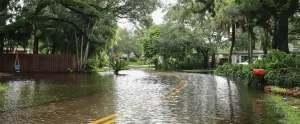
Frequent rainfall does not automatically cause fungal disease, but prolonged moisture can create favorable conditions for it. According to the University of Florida Institute of Food and Agricultural Sciences (UF/IFAS), turf diseases can become more severe when susceptible grass is exposed to excess moisture and stressful growing conditions.
During the lawn disease rainy season, several conditions can increase stress on Southwest Florida turf:
- Soil that stays saturated after storms
- Grass that remains wet for long periods
- Irrigation that continues after heavy rainfall
- Poorly draining areas of the property
- Turf already weakened by insects or other stress
- Improper fertilization practices
A consistent lawn care program can make it easier to monitor changes in turf health and address problems before damaged areas become more extensive.
What Is Brown Patch in St. Augustine Grass?
Brown patch, also called large patch in warm-season turf, is associated with Rhizoctonia fungi. It can affect St. Augustine grass when moisture and environmental conditions become favorable for disease development.
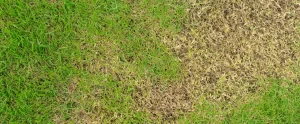
Brown patch in St Augustine grass often appears as recognizable areas of discoloration that gradually expand across the lawn. Common signs include:
- Circular or irregular brown patches
- Yellow or orange edges around affected areas
- Patches that increase in size
- Grass blades that separate easily near the base
- Several patches eventually connecting
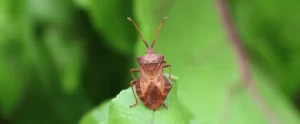
Brown areas should not automatically be assumed to be fungal disease. Lawn insects can produce similar symptoms, making professional lawn pest control another important consideration when trying to determine why turf is declining.
What Is Take-All Root Rot?
Take-all root rot affects the grass below the soil surface by damaging its root system. Once the roots become compromised, the turf has more difficulty absorbing the water and nutrients it needs to remain healthy.
Unlike brown patch, take-all root rot often creates irregular areas of thinning rather than clearly defined circles. Warning signs can include:
- Yellow or pale green turf
- Irregular thinning
- Weak grass that pulls up easily
- Dark or shortened roots
- Bare areas that gradually expand
Because much of the damage happens underground, take-all root rot can resemble irrigation or nutrient problems. Looking at both the turf and its root system can help determine what is contributing to the decline.
Brown Patch vs. Take-All Root Rot
Both diseases can leave a lawn yellow or brown, but they affect different parts of the grass. Brown patch is generally more noticeable around leaves and sheaths, while take-all root rot damages the root system and leads to gradual thinning.
| Brown Patch / Large Patch | Take-All Root Rot |
| Often forms circular patches | Usually causes irregular thinning |
| Affects leaves and sheaths | Primarily affects the roots |
| May develop yellow or orange borders | Roots may become dark or damaged |
| Patches can spread outward | Turf gradually becomes weaker |
If symptoms continue to spread, it is important to consider other possible causes as well. Irrigation coverage, pests, soil moisture, and general turf condition can all contribute to similar-looking lawn damage.
How Irrigation Can Affect Lawn Fungus
Rainfall is only one source of moisture reaching a Southwest Florida lawn. An irrigation system that continues running during periods of frequent rain can keep the root zone wetter than necessary and increase stress on the turf.
Homeowners should adjust watering around actual rainfall and watch for parts of the lawn that stay wet longer than surrounding areas. Irrigation maintenance can also help identify broken sprinkler heads, excessive run times, or uneven coverage that may be contributing to unhealthy turf.
Lawn Care Practices That Can Help
Healthy turf is generally better equipped to tolerate environmental stress and recover from seasonal problems. Good maintenance practices can also reduce some of the conditions that allow fungal disease and other lawn problems to become more severe.
Helpful practices include:
- Avoiding unnecessary irrigation after rainfall
- Improving drainage in consistently wet areas
- Keeping mower blades sharp
- Avoiding excessive mowing stress
- Using fertilizer appropriately
- Monitoring weeds and lawn pests
- Inspecting brown or yellow areas early
Professional weed control can also support healthier turf by reducing competition for moisture, nutrients, and growing space. Keeping weeds and other stressors under control gives desirable grass a better opportunity to remain dense and healthy.
What Does Take-All Root Rot Treatment Involve?
Effective take-all root rot treatment usually involves addressing both the disease and the conditions contributing to turf stress. Irrigation practices, prolonged soil saturation, lawn maintenance, and overall root health may all need to be considered.
Fungicide alone does not immediately restore damaged turf. Even after disease activity is managed, the grass still needs favorable conditions and time to rebuild healthier roots and produce new growth.
When Damaged Turf May Need Replacement
Some lawns recover once the underlying problem is corrected, while severely damaged areas may be too thin or deteriorated to fill back in successfully. In those situations, replacing failed sections with new turf may provide a more practical way to restore consistent coverage.
Professional sod installation can be especially useful where large bare areas remain after extensive turf decline. Proper soil preparation, installation, and establishment are important so the replacement grass has a stronger foundation for healthy growth.
Protect Your Southwest Florida Lawn During the Rainy Season
Southwest Florida’s rainy season can be tough on St. Augustine grass, particularly when excessive moisture, irrigation problems, pests, or existing turf stress are already present. Recognizing the differences between brown patch and take-all root rot can help property owners respond before damaged areas spread across more of the lawn.
Landscape Pros Management provides lawn care, irrigation, lawn pest control, weed control, and sod installation services for Southwest Florida properties. Contact us today to learn how our team can help maintain healthier turf and keep your landscape looking its best throughout the rainy season.