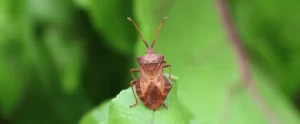
If clouds of small black-and-red insects suddenly start hovering over your lawn in September, you are probably seeing one of Southwest Florida’s most familiar seasonal visitors. Love bug season in SWFL usually brings a noticeable spike in activity as adults emerge, mate, and gather around lawns and landscaped areas.
The good news is that love bugs are mainly a nuisance. They usually don’t damage turf or landscape plants, but their sudden appearance can make homeowners wonder whether their lawn is attracting them or needs treatment.
Why Are Love Bugs Everywhere in September?
Florida typically experiences two noticeable periods of love bug activity each year, including one around August and September. Because many adults emerge at the same time, they can seem to appear almost overnight.
Southwest Florida’s warm, humid conditions and large areas of grass and vegetation provide an environment where they are commonly seen. Some properties may experience heavy swarms while nearby lawns see much less activity.
Their Life Cycle Starts Near the Soil
Love bug larvae develop close to the ground, especially around grassy areas and decomposing organic material. Once they mature, large numbers of adults can emerge within a relatively short period.
This synchronized emergence is one reason a quiet lawn can suddenly seem covered with love bugs during September.
Why Do Love Bugs Swarm Around Your Landscape?
If you are wondering why love bugs swarm, mating behavior is the main reason. Adults gather in groups, and lawns, shrubs, flowers, and other vegetation can become temporary resting and feeding areas.
Several landscape conditions are commonly associated with activity:
- Moist grassy areas
- Decomposing plant material
- Flowering plants that provide nectar
- Warm and sunny outdoor spaces
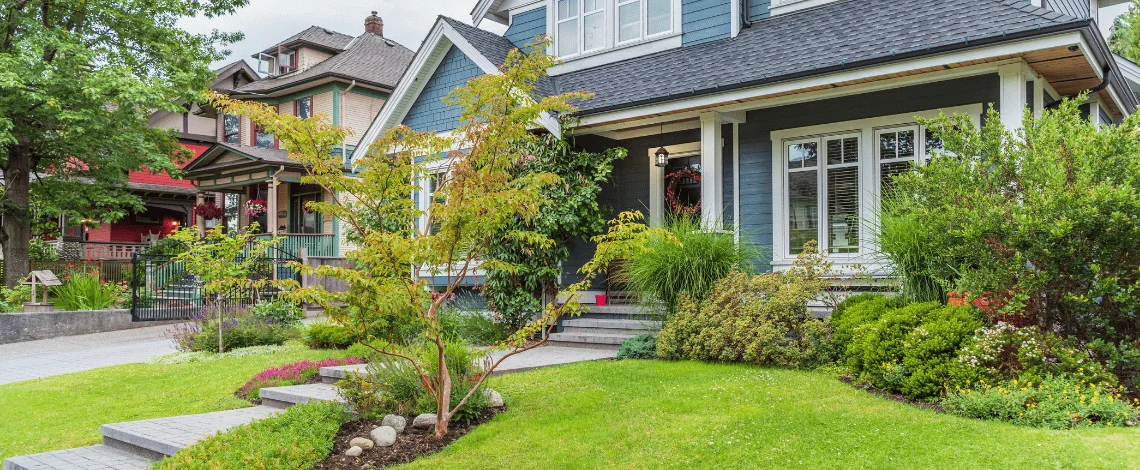
A well-planned residential landscaping setup can make a property easier to maintain through seasonal changes, but it will not prevent love bugs from visiting. Their activity depends much more on weather, surrounding habitat, and where the insects emerge.
Do Love Bugs Damage Your Lawn?
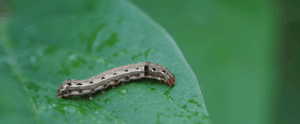
Love bugs are not considered destructive turf pests. They do not typically feed on grass the way chinch bugs, armyworms, sod webworms, and other damaging insects can.
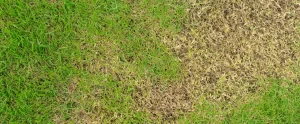
If your lawn is developing brown patches, thinning turf, or other visible damage during love bug season, another issue may be responsible. This is where professional lawn pest control can help identify whether a true turf-damaging insect is present before treatment begins.
Love Bugs vs. Damaging Lawn Pests
Understanding the difference between a seasonal nuisance and an insect that can harm your grass helps.
| Insect | Main Concern | Treatment Often Needed? |
| Love bugs | Seasonal swarming | Usually no |
| Chinch bugs | Yellowing and dying turf | Often |
| Armyworms | Chewed grass and rapid damage | Often |
| Sod webworms | Thin or brown patches | Often |
Correct identification matters because lawn damage can also come from irrigation, disease, or nutrient problems. Treating the wrong issue can waste time while the real cause continues.
Keep Irrigation in Check During Love Bug Season
September can still bring heavy rain and humidity to Southwest Florida. If an irrigation system continues running too often, some parts of the lawn may stay overly wet while others receive uneven coverage.
Broken sprinkler heads, leaks, or poorly adjusted zones can create stressed or discolored turf that may be mistaken for insect damage. Professional irrigation repair can help restore more consistent watering and make it easier to separate moisture problems from pest activity.
Support Turf Health With Proper Fertilization
Love bugs do not require a fertilization treatment, but your grass still needs the right nutrients to stay healthy through Southwest Florida’s demanding growing conditions. Weak turf may have a harder time handling heat, rain, weeds, and damaging insects.
Professional lawn fertilization can support stronger growth when treatments are properly timed for the turf and season. Healthy, well-fed grass is also easier to monitor because changes in color or density are more noticeable.
Keep Weeds From Adding More Stress
Love bugs may be temporary, but weeds can compete with turf for water, nutrients, and growing space throughout the season. A lawn already dealing with weed pressure may look uneven or thin, making it harder to identify whether another problem is developing.
Professional lawn weed control can help reduce unwanted growth and keep the turf more consistent. That makes seasonal lawn changes easier to evaluate instead of assuming every visible issue is related to love bugs.
Should You Spray Love Bugs?
In most cases, spraying an entire lawn simply because love bugs are present is unnecessary. Even if you remove the insects currently on the property, additional adults can move in from surrounding areas.
Homeowners can usually manage the nuisance by keeping screens closed, using fans around outdoor seating areas, and cleaning accumulated insects from surfaces. Lawn treatments are better reserved for pests that are actually damaging the turf.
Plan the Landscape for Southwest Florida Conditions
Love bug activity is only one of many seasonal changes Southwest Florida homeowners deal with year-round. Heat, heavy rainfall, plant growth, irrigation demands, and pest pressure can all affect how a property performs.
Thoughtful landscape design can account for plant placement, sun exposure, irrigation needs, and long-term maintenance. While good design will not eliminate love bugs, it can create a landscape that is easier to manage through changing weather and seasonal conditions.
Keep Your Landscape Healthy Through Love Bug Season
Love bugs may be highly visible during September, but they are usually a temporary nuisance rather than a serious threat to your lawn. The bigger concern is determining whether brown patches, thinning grass, weeds, or watering problems point to another issue.
Landscape Pros Management helps homeowners throughout Fort Myers and surrounding Southwest Florida communities maintain healthier lawns and landscapes year-round. Contact our team today if your property is showing signs of pest damage, irrigation problems, weak turf, or other landscape concerns.